Design note
Choosing beam widths for a hospitality ceiling
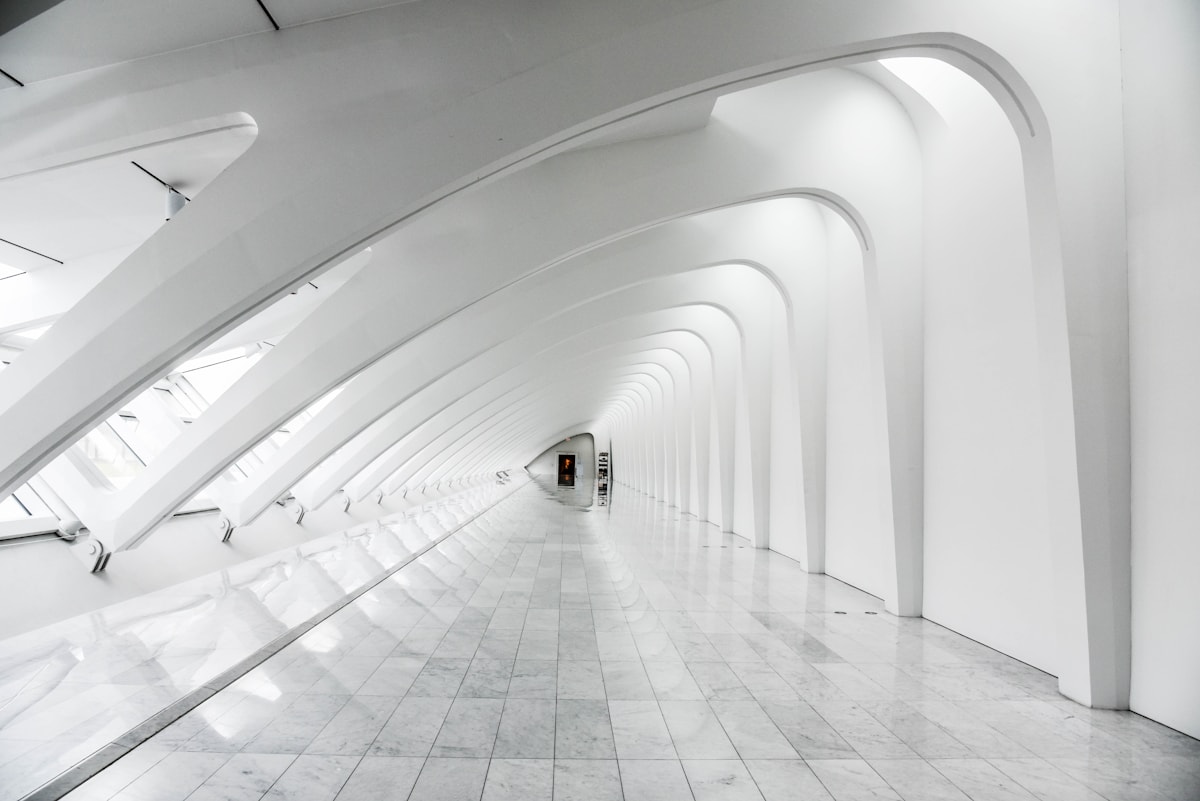
Wide beams can make a ceiling feel unfinished. Narrow beams can create too much visual noise. The best result is usually a controlled middle ground with enough overlap to stay even.
Topics
These entries cover beam widths, layering, exterior glare control, and the reasoning behind a compact catalog structure.
Latest notes
Design note
Wide beams can make a ceiling feel unfinished. Narrow beams can create too much visual noise. The best result is usually a controlled middle ground with enough overlap to stay even.
Field note
When exterior light is placed with care, the viewer reads edges, recesses, and material thickness before the source itself. That is what keeps a facade from feeling flat.
Studio note
A small, clearly grouped catalog reduces the number of decisions the project team has to make. That saves time during submittal, procurement, and installation reviews.
Use this when reviewing a lighting brief.
JR Lite keeps the page structure close to the way designers actually work: products first, project references next, then short notes that explain the choices behind the layout.
Editorial cards

Exterior
The most reliable result comes from placing light where the architecture turns, steps back, or meets the ground. That keeps the edge visible without flooding the entire surface.

Interior
Rather than rely on one bright fixture, the room usually benefits from ambient layers, a small number of accents, and trims that disappear in the ceiling plane.